
TECHNICAL ARTICLES
Important Points to Consider During Thermal Insulation of Buildings
-
Important Points to Consider During Thermal Insulation of Buildings
- It is crucial to use insulation boards with the correct thickness as determined by thermal calculations (TS825) in traditional insulation applications.
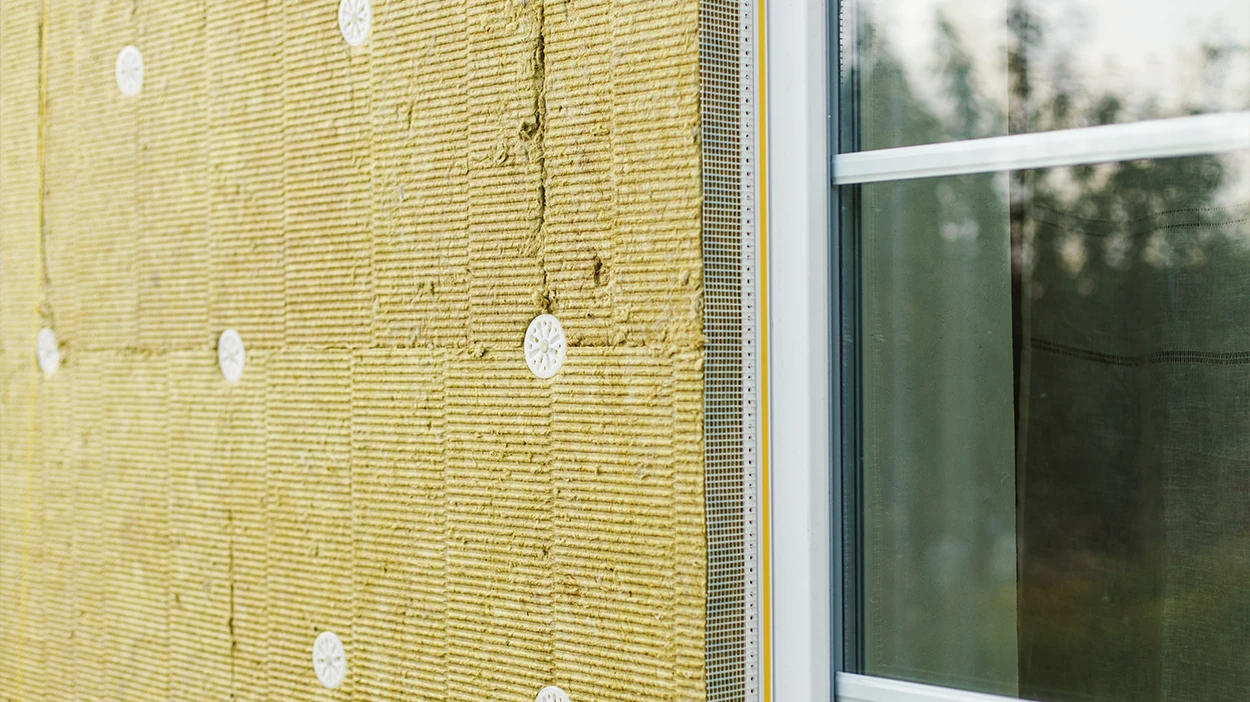
- In insulation applications, at least 6 mechanical fixing dowels should be used per square meter.
- The materials used in external wall insulation must be compatible with each other and meet international quality standards.
- The arrangement of the thermal insulation boards should be done according to accepted practices. This helps prevent the formation of thermal bridges and ensures that the weight applied to the boards is evenly distributed.
- For desired results and energy savings, thermal insulation must be carried out on the external walls. This allows for the heat storage properties of the building materials to be utilized while protecting them from external factors. Internal wall insulation may cause mold and dampness, potentially damaging the building over time.
- The quality and efficiency of thermal insulation depend not only on the materials used but also on the knowledge and skills of the personnel applying it. All stages of the application should be monitored by technical personnel to prevent potential risks during the process.
- To ensure a proper application, the surface temperature of the wall being insulated should be between +5°C and +30°C.
- Open areas on the façade, such as windows, doors, sills, roof edges, and balconies, should be adequately insulated to prevent water from penetrating the insulation material and causing damage.
- Before starting the application, the surface should be free from dust, oil, and other substances that may reduce adhesion. Loose and flaking surfaces should be brushed clean, and the surface must be completely dry.
- Thermal insulation should never be applied to wet, damp, unstable surfaces, or areas at risk of freezing within 24 hours. Additionally, the insulation boards used must be structurally sound to achieve the desired outcome.