
NEWSLETTERS
A Beginner's Guide to Thermal Insulation
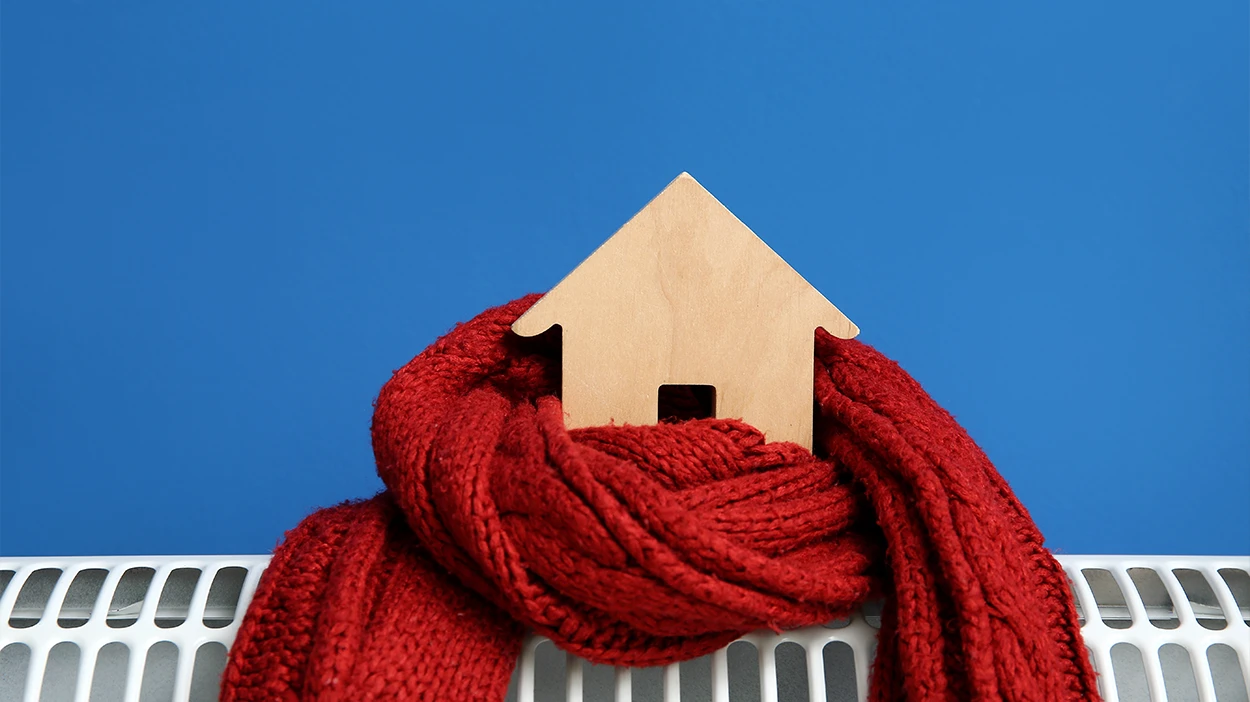
The most effective method of saving both household and national economies is thermal insulation. The key to keeping buildings warm in winter and cool in summer lies in thermal insulation, which minimizes heat transfer.
What is Thermal Insulation?
Thermal insulation refers to the processes carried out to save energy by preventing heat losses and heat gains in buildings. While the interior of buildings heats up more quickly during winter and cools down more quickly during summer with the help of devices, energy used efficiently reduces heating and cooling costs, resulting in savings.
What are the Benefits of Thermal Insulation?
How Long Does Thermal Insulation Take to Complete?
The time it takes to complete thermal insulation depends on the size of the area, the needs of your building, and the number of workers involved. You should discuss this timeframe in detail with the company you hire for the insulation work and ensure it is clearly stated in your contract.
Thermal Insulation Lowers Your Bills
In today's world, saving money on household expenses is essential. Savings are directly related to individuals' future outlooks, hopes, and expectations. Thermal insulation provides the most significant savings, a key component of both individual and societal happiness.
With the energy savings gained from insulated buildings, both environmental and economic benefits are achieved. In Turkey, many buildings still lack thermal insulation. As a result, half of the money spent on heating is wasted. In buildings with thermal insulation, heat loss is minimized, preventing warm air inside from escaping. This reduces the energy needed to keep your home warm. Lower energy consumption means lower monthly electricity and natural gas bills, contributing to your household economy. The material used and the thickness of the insulation are also important. The thicker the insulation material, the greater the savings.
Thermal Insulation Increases the Value of Your Home
Thermal insulation also prevents condensation, which can cause bacteria, mold, black stains, and mildew to form on your building’s surfaces. This keeps your building clean and aesthetically pleasing, just like it was on the first day, offering you a more comfortable living environment. By protecting the structural system of your building from moisture, thermal insulation extends its lifespan, thus maintaining the value of your home.
The Savings from Thermal Insulation Cover Its Cost
The cost of thermal insulation during the construction phase is about 1-3% of the total building cost. Additionally, installing insulation during construction will provide savings even before the building is in use. Operating and investment costs will also be lower as smaller boilers, air conditioners, and radiators can be used.
For buildings constructed without insulation, the cost of retrofitting insulation will vary depending on the size and needs of the building. Post-construction thermal insulation typically pays for itself within a few years, allowing you to start saving quickly.
Yeni Başlayanlar İçin Isı Yalıtım Rehberi
A Beginner's Guide to Thermal Insulation
The most effective method of saving both household and national economies is thermal insulation. The key to keeping buildings warm in winter and cool in summer lies in thermal insulation, which minimizes heat transfer.
What is Thermal Insulation?
Thermal insulation refers to the processes carried out to save energy by preventing heat losses and heat gains in buildings. While the interior of buildings heats up more quickly during winter and cools down more quickly during summer with the help of devices, energy used efficiently reduces heating and cooling costs, resulting in savings.
What are the Benefits of Thermal Insulation?
- It minimizes heat loss, keeping your home cool in summer and warm in winter.
- It creates balanced room temperatures between different areas of your home, contributing to a healthier and more comfortable living space.
- It provides at least 40% savings on heating and cooling expenses.
- It contributes to both your personal economy and the national economy.
- It reduces the country's dependency on foreign energy sources.
- It prevents the formation of mold and mildew in buildings.
- Since it's applied to the exterior, there is no loss of interior space.
- It enhances the aesthetic appearance of the building’s exterior.
- It protects buildings from external factors, reducing maintenance costs.
- By preventing the corrosion of the iron within the building's concrete, it extends the lifespan of the building and makes it more resistant to earthquakes.
- It reduces fuel consumption, positively impacting environmental pollution and global warming.
- On flat and sloped roofs
- On the exterior-facing walls of buildings
- On walls and floors in contact with the ground
- On walls facing unheated areas like storage rooms or garages
- On cantilever floors
- On mechanical elements like ventilation ducts and plumbing pipes
- Thermal insulation is applied using materials with low thermal conductivity, according to the characteristics of the roof, floor, walls, and plumbing of your building. First, the surface is prepared, and the insulation boards are adhered to the exterior of the building. The insulation boards are secured with dowels, and corner profiles are installed. The boards are then coated with plaster and mesh, followed by a mineral coating, and the process is completed with a final layer of paint.
- There should be no frost during the insulation process and for 24 hours after completion.
How Long Does Thermal Insulation Take to Complete?
The time it takes to complete thermal insulation depends on the size of the area, the needs of your building, and the number of workers involved. You should discuss this timeframe in detail with the company you hire for the insulation work and ensure it is clearly stated in your contract.
Thermal Insulation Lowers Your Bills
In today's world, saving money on household expenses is essential. Savings are directly related to individuals' future outlooks, hopes, and expectations. Thermal insulation provides the most significant savings, a key component of both individual and societal happiness.
With the energy savings gained from insulated buildings, both environmental and economic benefits are achieved. In Turkey, many buildings still lack thermal insulation. As a result, half of the money spent on heating is wasted. In buildings with thermal insulation, heat loss is minimized, preventing warm air inside from escaping. This reduces the energy needed to keep your home warm. Lower energy consumption means lower monthly electricity and natural gas bills, contributing to your household economy. The material used and the thickness of the insulation are also important. The thicker the insulation material, the greater the savings.
Thermal Insulation Increases the Value of Your Home
Thermal insulation also prevents condensation, which can cause bacteria, mold, black stains, and mildew to form on your building’s surfaces. This keeps your building clean and aesthetically pleasing, just like it was on the first day, offering you a more comfortable living environment. By protecting the structural system of your building from moisture, thermal insulation extends its lifespan, thus maintaining the value of your home.
The Savings from Thermal Insulation Cover Its Cost
The cost of thermal insulation during the construction phase is about 1-3% of the total building cost. Additionally, installing insulation during construction will provide savings even before the building is in use. Operating and investment costs will also be lower as smaller boilers, air conditioners, and radiators can be used.
For buildings constructed without insulation, the cost of retrofitting insulation will vary depending on the size and needs of the building. Post-construction thermal insulation typically pays for itself within a few years, allowing you to start saving quickly.